More Services in The Queen City


Which Traffic Paint Should You Use On Asphalt?
Choosing the right traffic paint for asphalt is one of the most important decisions for clear, long-lasting parking lot markings, fire lanes, crosswalks, and directional arrows. The wrong product can peel, bleed, fade quickly, or fail to bond—especially when asphalt condition varies. At Blacktopfix, we see this every day across Charlotte and the Carolinas: the same waterborne acrylic that performs beautifully on aged, sealed pavement can struggle on fresh asphalt or oily spots.
This guide walks through the main types of traffic paint, how different asphalt conditions affect performance, and practical recommendations so your striping stays bright and durable.
Main Types of Traffic Paint for Asphalt
Traffic paint is engineered specifically for pavement. It differs from regular house or driveway paint in adhesion, abrasion resistance, UV stability, and (often) the ability to accept glass beads for night visibility.
Waterborne Acrylic Traffic Paint
The most common choice for parking lots today. Low-VOC, water cleanup, fast dry (typically 15–30 minutes to no-track under good conditions), and good color retention. Lifespan on moderate-traffic lots is usually 12–24 months when applied correctly at proper mil thickness (around 15 wet mils).
Best for: Standard parking stalls, most commercial lots, and projects where environmental compliance and quick reopen times matter.
Solvent-Based (Alkyd) Traffic Paint
Oil-based formulas that penetrate asphalt well and often perform better in cooler temperatures or on certain aged surfaces. Higher VOC content limits use in some regions. Dry times are typically longer than modern waterborne products.
Best for: Situations where deeper penetration or cold-weather application is needed, or when local regulations still allow it.
Two-Component Systems (Epoxy or MMA)
Chemical-cure products that deliver superior abrasion and chemical resistance. MMA (methyl methacrylate) and epoxies can last years longer than standard paint but cost more and require precise mixing.
Best for: Heavy-duty zones, airports, industrial lots, or areas with specialized vehicle traffic.
For most parking lot work in the Southeast, waterborne acrylic remains the workhorse—provided the asphalt condition is properly assessed and prepared.
Thermoplastic Markings
Hot-applied material that bonds thermally to asphalt. Extremely durable (often several times longer than paint) and excellent for high-wear areas like crosswalks, stop bars, and highway-style markings. Requires specialized equipment.
Best for: High-traffic commercial or municipal applications where longevity justifies the higher cost.
How Asphalt Condition Affects Paint Choice
Asphalt is not a uniform surface. Age, traffic, oil exposure, previous treatments, and porosity all change how paint bonds and wears.
New or Freshly Paved Asphalt
Fresh asphalt is rich in oils and bitumen. Waterborne paints can sometimes bleed or lift slightly if applied too soon. Industry guidance often recommends waiting weeks to months for oils to stabilize (test a small area). Solvent-based paints or carefully applied thinner coats of waterborne can work better initially. Avoid heavy film builds that stress the still-flexible surface.
Weathered, Oxidized, or Gray Asphalt
Older asphalt loses its binder, becomes porous and brittle, and turns gray. Waterborne acrylics usually adhere well once the surface is cleaned of loose aggregate and dust. These surfaces often benefit most from sealcoating first (see our sealcoating services), followed by striping after proper cure. The fresh sealed surface gives paint a uniform, stable base.
Oily or Contaminated Areas
Oil, grease, fuel, or hydraulic fluid spots prevent adhesion. Thorough cleaning (and sometimes oil-spot primers) is mandatory. Standard traffic paint will fail over residual oil. In high-spill zones (loading docks, fueling areas), consider more chemical-resistant systems or ensure aggressive degreasing before any paint goes down.
Porous or Open-Textured Asphalt
Highly porous surfaces absorb more paint, reducing film thickness and durability. Two lighter coats or a primer/thinned first coat can help. Coverage rates drop, so plan material quantities accordingly. Sealcoating beforehand often improves results by filling voids and creating a more uniform surface.
Previously Sealed Asphalt
A cured asphalt emulsion sealcoat is typically an excellent base for waterborne traffic paint. Timing matters: stripe only after the sealer has fully cured (often 24 hours or more, depending on weather). Applying paint too soon can cause bleeding or soft edges. Solvent-based paint on a fresh water-based sealer can also interact poorly—stick with compatible systems.
Cracked, Alligator, or Damaged Asphalt
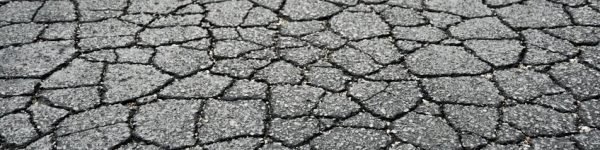
Paint will not fix structural problems. Address cracks and potholes first with proper crack filling and patching. Painting over unstable surfaces leads to premature failure of both the pavement and the markings. Once repairs are complete and the surface is sound, standard waterborne acrylic usually performs well.
High-Traffic vs. Low-Traffic Zones
Drive lanes, entrances, and turning areas wear paint faster. Consider higher-build waterborne formulas, thermoplastic, or two-component systems in these zones while using standard acrylic for stalls.

Surface Preparation: The Real Key to Success
- Sweeping and pressure washing to remove dirt, debris, and loose material
- Degreasing oily spots
- Repairing cracks and potholes
- Ensuring the surface is completely dry
- Confirming temperature and humidity meet product specifications (most waterborne paints need surface temps above ~50°F and rising)
- Applying at the correct wet-film thickness
At Blacktopfix we combine these steps with our parking lot line striping service so markings bond properly and meet visibility and safety standards, including ADA requirements.
Practical Recommendations by Scenario
|
Asphalt Condition
|
Recommended Approach
|
Notes
|
|---|---|---|
|
New / freshly paved
|
Wait for oils to stabilize; thinner coats or solvent-based if needed
|
Test adhesion
|
|
Weathered / oxidized
|
Clean thoroughly + waterborne acrylic; sealcoat first if practical
|
Excellent adhesion after prep
|
|
Oily / contaminated
|
Aggressive cleaning + primer if required
|
Paint alone will not stick
|
|
Porous / open texture
|
Sealcoat preferred; two coats of paint
|
Higher material use
|
|
Recently sealed
|
Waterborne acrylic after full cure
|
Avoid early application
|
|
High-wear areas
|
Thermoplastic, epoxy, or premium acrylic
|
Longer service life
|
Why Professional Application Matters
DIY striping kits work for small residential jobs, but commercial lots demand consistent mil thickness, accurate layout, glass-bead application for reflectivity where required, and coordination with sealcoating or repairs. Incorrect paint choice or poor prep leads to early fading, peeling, and the need for more frequent restriping—raising long-term costs.
Blacktopfix has years of experience matching the right materials and methods to local asphalt conditions across North and South Carolina. We handle everything from surface evaluation and repairs through sealcoating and crisp, long-lasting striping.
Ready for markings that stay sharp and safe? Contact us for a free on-site estimate. We’ll assess your asphalt condition and recommend the optimal traffic paint and preparation plan for your property.
Your questions, answered.
Here are some of the most common questions our clients ask when it comes to Asphalt Paint:
For most commercial parking lots, a high-quality waterborne acrylic traffic paint offers the best combination of fast dry times, low VOC, good durability (12–24 months on moderate traffic), and cost-effectiveness when the surface is properly prepared.
No. Regular house or craft paint lacks the abrasion resistance, UV stability, and adhesion properties needed for traffic markings and will fail quickly under vehicle traffic and weather.
Typically 24 hours or longer, depending on temperature, humidity, and the specific sealer. Always follow manufacturer guidelines and ensure the sealer is fully cured so the paint bonds cleanly without bleeding.
Yes—new asphalt’s high oil content can cause bleeding or adhesion issues with some waterborne paints. Waiting for the surface to stabilize and/or using appropriate application techniques (or solvent-based options where allowed) produces better results.
Standard waterborne acrylic typically lasts 12–24 months on moderate-traffic parking lots. High-traffic areas, poor preparation, or harsh weather can shorten that; thermoplastic or two-component systems last significantly longer.
Always sealcoat first, then stripe after the sealer has cured. Striping first means the new lines get covered by the sealer.
Send Us a Text
Send us a quick text message and we’ll reply to you shortly.

Experts in crack filling, asphalt sealing, and parking lot line striping
Call for Service:
We proudly work with:


